
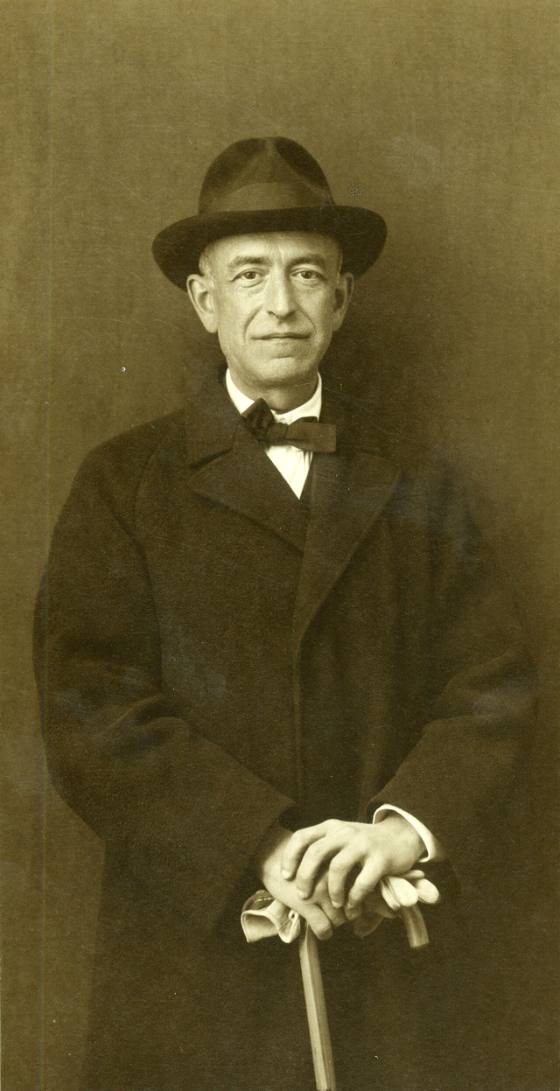
Manuel de Falla is the composer who made the rest of the world hear Andalucía. Born in Cádiz in 1876, he spent years in Paris among Debussy and Ravel, then came home determined to build serious music out of the flamenco and folk sounds he had grown up with.
The results are everywhere in the repertoire. El Amor Brujo gave us the electrifying Ritual Fire Dance; Nights in the Gardens of Spain turned the Alhambra into shimmering orchestral light; The Three-Cornered Hat became a ballet that Picasso himself designed.
He was famously exacting — he would revise a single bar for weeks and destroy work he judged unworthy. He lived simply in a little house on the hill below the Alhambra in Granada, where visitors found a small, devout, meticulous man making some of the century's boldest music.
The Civil War drove him into exile in Argentina, where he died in 1946, and Spain later brought him home to Cádiz. His achievement lasts: he proved that the deep song of the south could stand, unashamed, in the world's great concert halls.

