
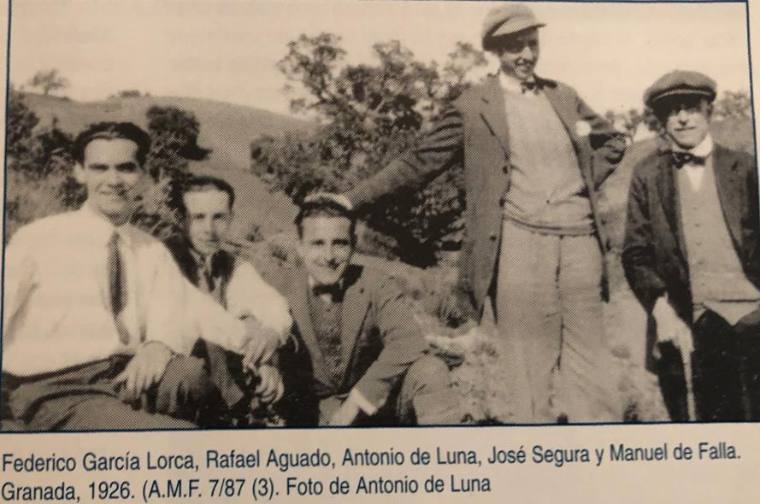
In 1922 two young Andalusians decided flamenco was dying. The composer Manuel de Falla and the poet Federico García Lorca believed that cante jondo — the deep song, the oldest and rawest core of flamenco — was being smothered by café showbiz, and they set out to save it.
Their answer was a contest. In the Alhambra's Plaza de los Aljibes in Granada they staged the Concurso de Cante Jondo, deliberately barring professionals so that unknown old singers from the villages could finally be heard. A young boy and an elderly man shared the top prize.
It caused a stir far beyond Granada. Falla wrote passionately about the music's ancient roots; Lorca lectured on the duende, that dark shiver a true singer summons. Between them they turned a folk tradition into something Spain's artists could take seriously.
Historians still argue about how much the contest actually rescued. But it changed the conversation for good — and it is why, a century on, the deep song is treated not as a tourist turn but as one of Europe's great vocal arts.

