
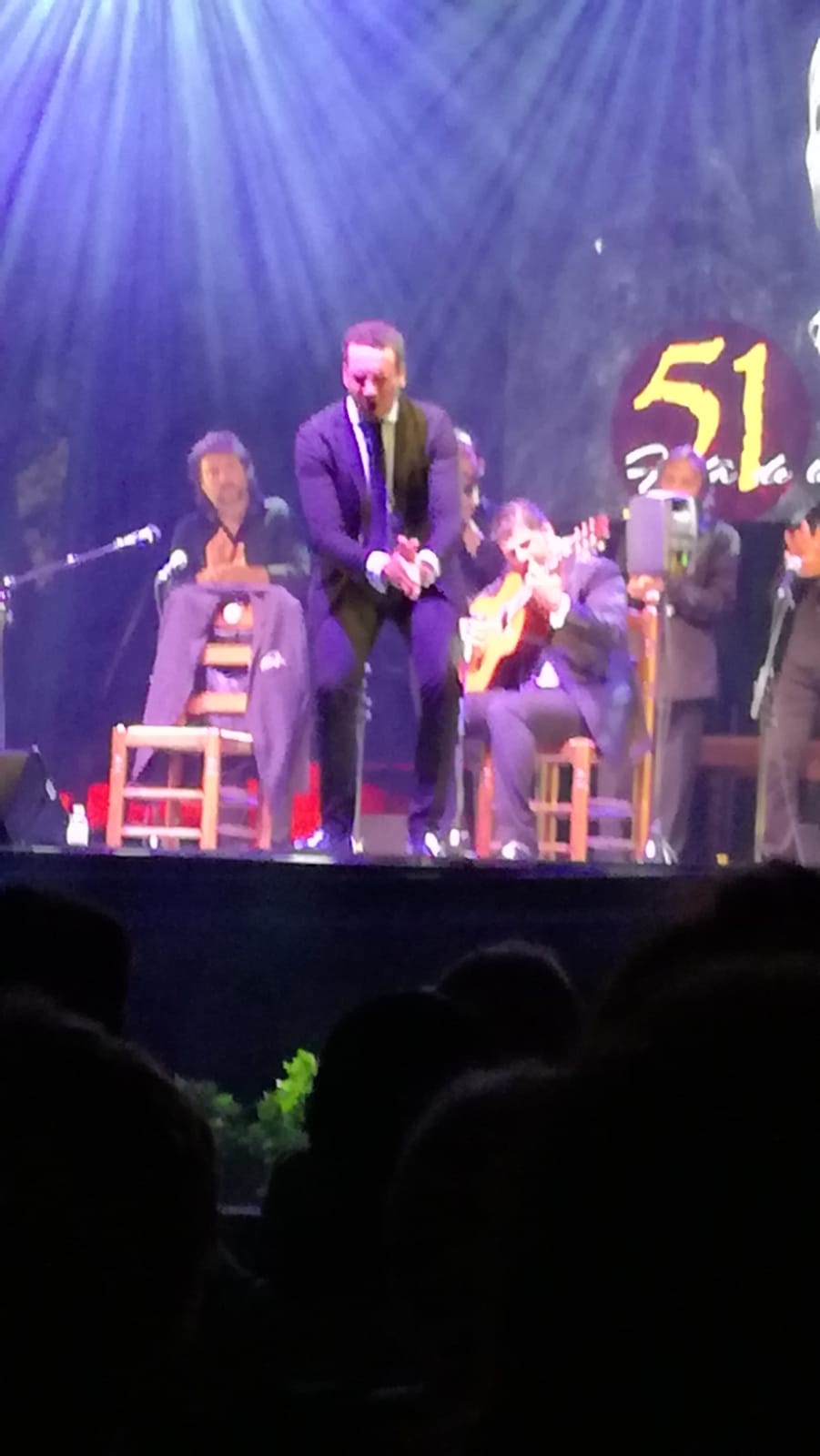
There is a moment at the end of a good flamenco night when the formality drops away. The programmed pieces are done, somebody claps a new rhythm, chairs scrape back, and everyone in the room who can sing a verse suddenly does. That is the bulería, and it is the reason flamenco evenings are so hard to leave.
It grew up among the gitano families of Jerez de la Frontera in the nineteenth century, originally as a quick, joking tail-piece tacked onto a soleá or an alegría. The name is generally traced to burlar, to mock or tease, which tells you most of what you need to know about its temperament.
Underneath the fun sits a strict frame: a twelve-beat cycle with accents that shift under your feet, usually taken somewhere between 195 and 240 beats a minute. It is the palo that allows the most improvisation, and for exactly that reason it is the one you cannot fake.
Every town keeps its own dialect of it — Jerez, Lebrija, Utrera, Cádiz. On Costa del Sol you will hear the Jerez version most, because it travels well and because it does a job nothing else can: getting a whole room onto its feet at two in the morning.

